Hartfordbridge is a reasonably-named hamlet, east of Hartley Wintney, which largely comprises a bridge, replacing a ford, over the River Hart. It’s a split bridge, each half carrying one carriageway of the A30 and therefore many hundreds, probably thousands of vehicles pass over it each day.
The eastbound bridge appears to be the older half, and is conveniently only a short walk from an ancient coaching pub, now antique shop, “The White Lion”.
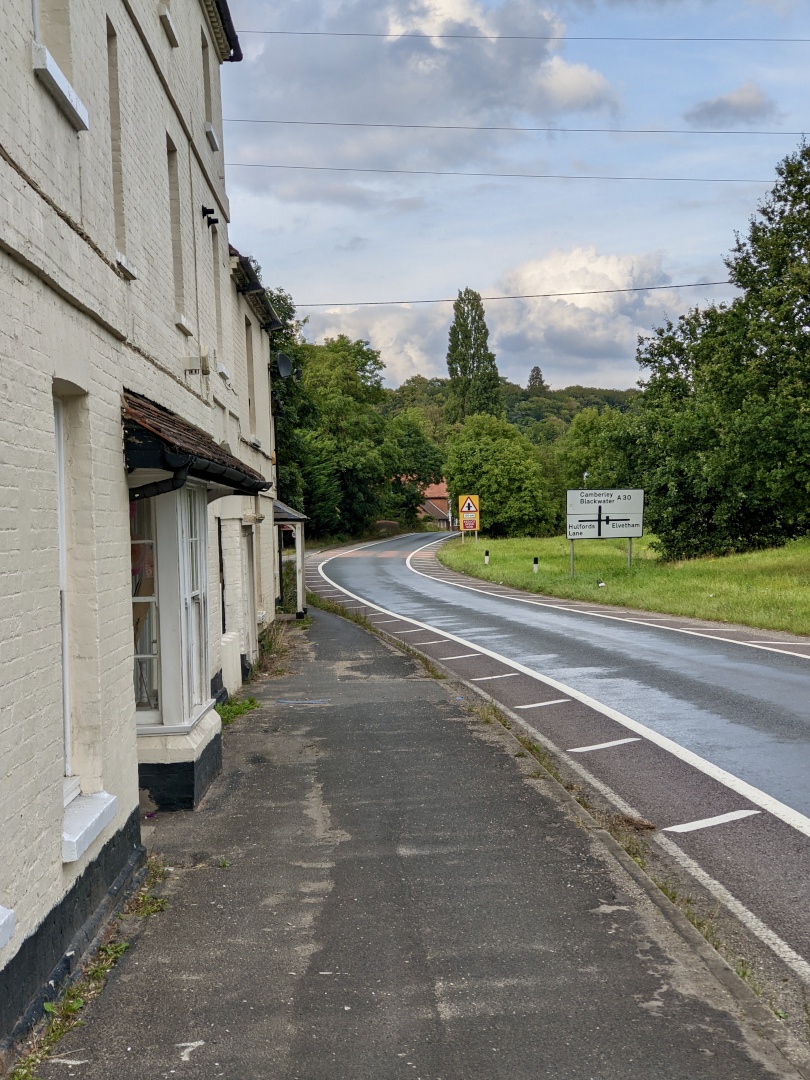
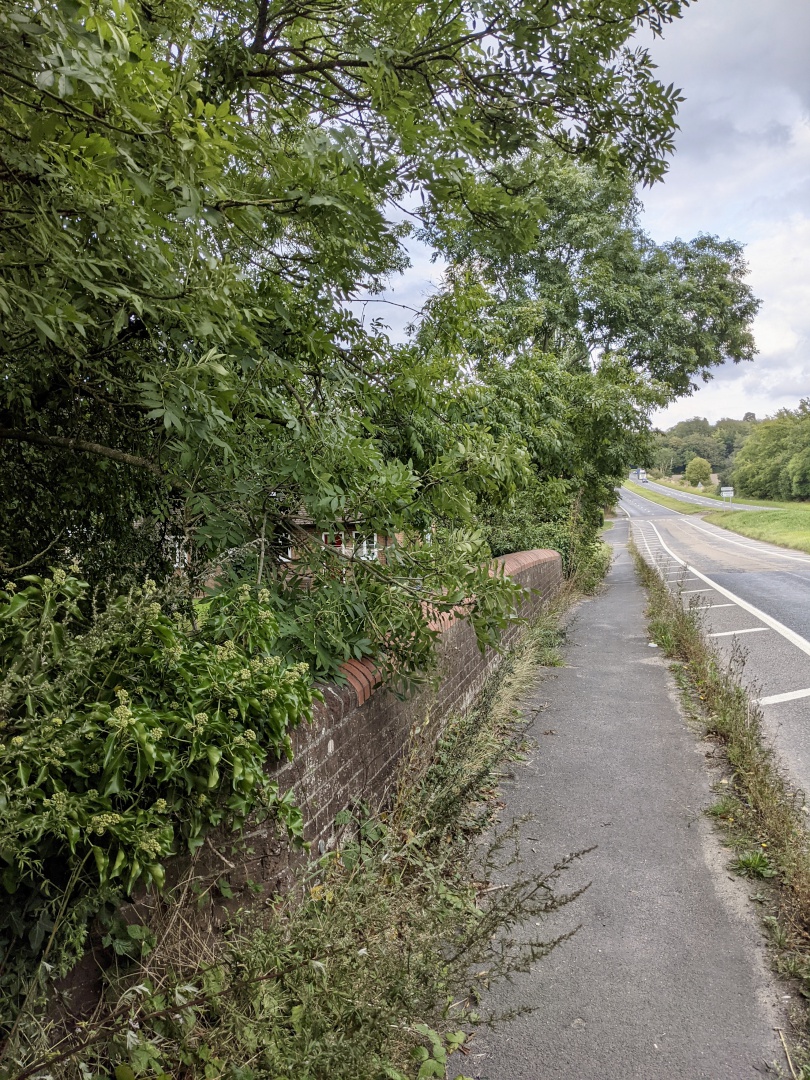
The bridge is of brick construction, and with a top bed of engineering brick which must (as we demonstrate) date from before World War 2.
I’ve lived in Hartley Wintney for more than 20 years now, and by osmosis have picked up some local history, not least that during WWII the local cricket pitch, or perhaps the nearby green, was turned into a billet for Canadian soldiers – but I didn’t have any evidence for the latter claim until during a walk in 2020 I examined the engineering brick, its smooth face and surface being a magnet for those who wish to leave their mark on the world.
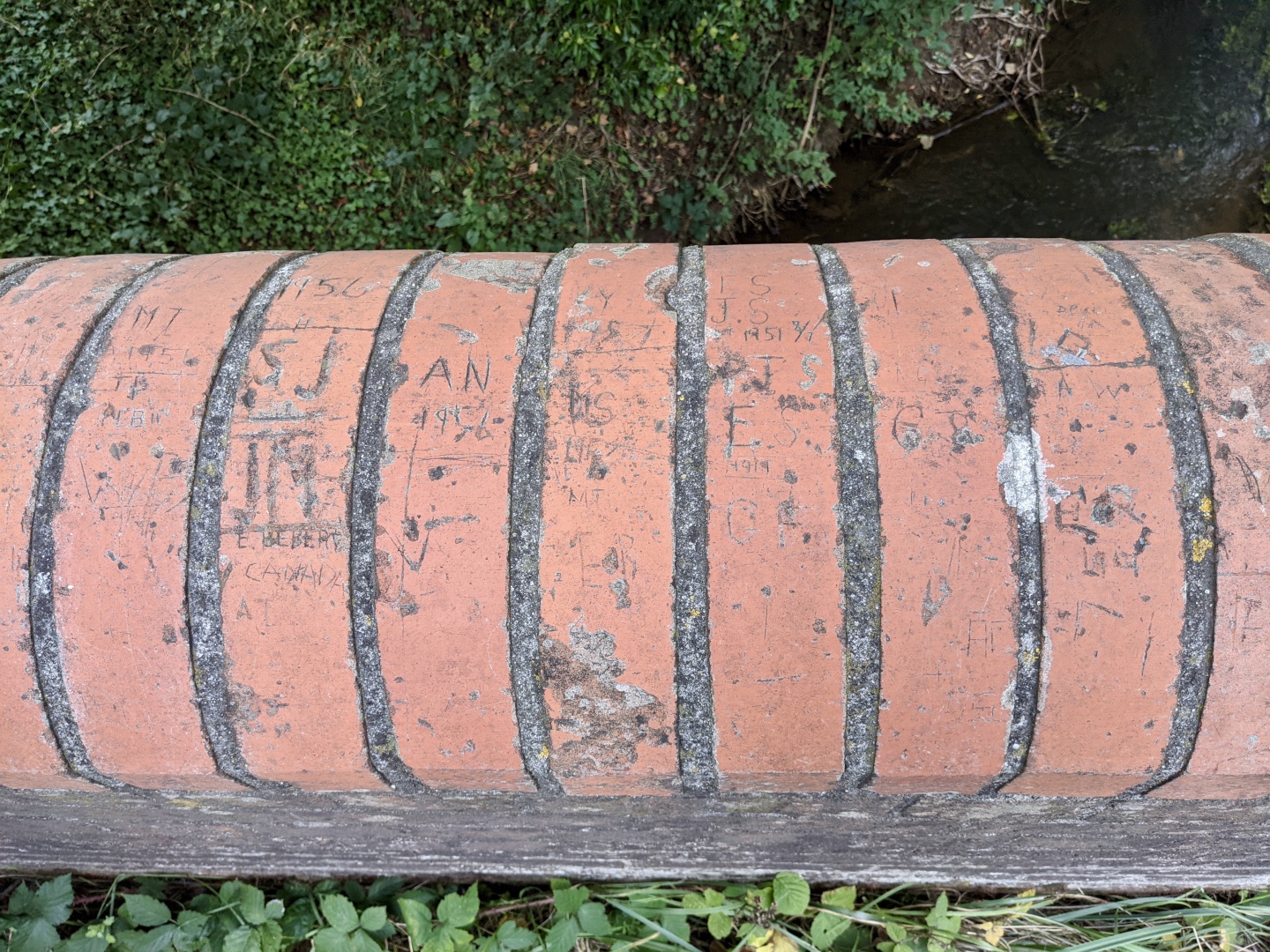
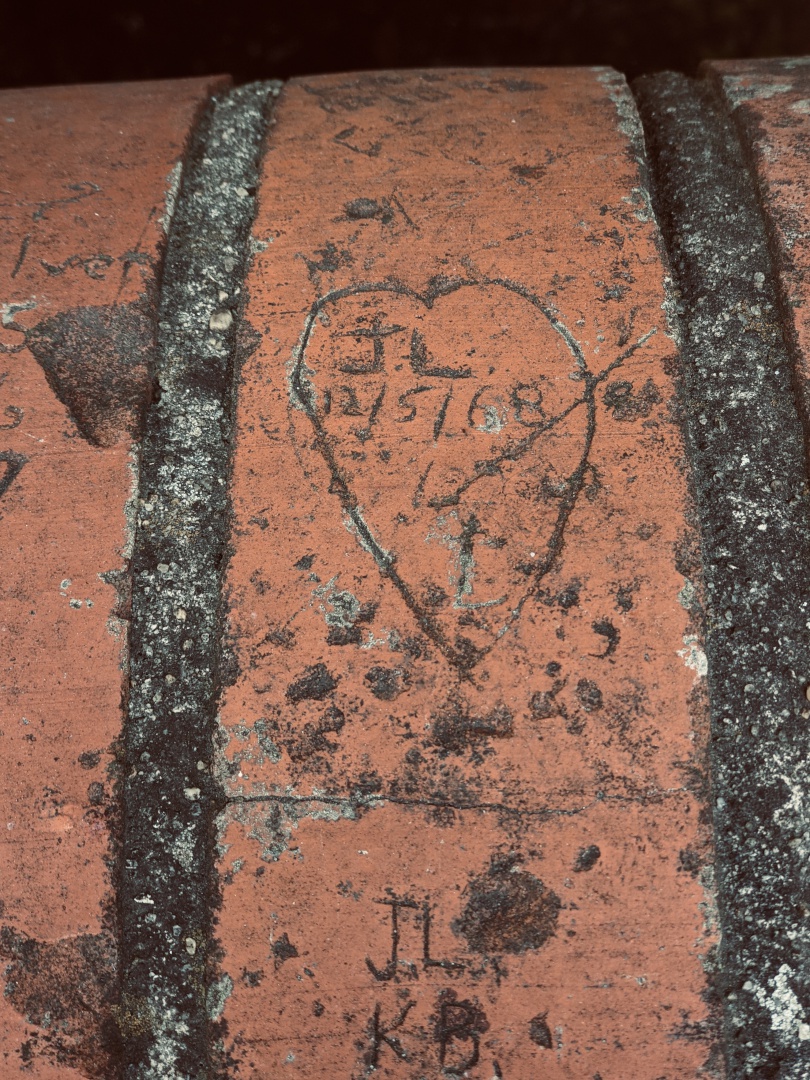
There were the usual hearts and initials, but then some of the graffiti became more detailed and dated, and I noticed a few names, notably TREMPE RODOLPHE HULL CANADA 1943
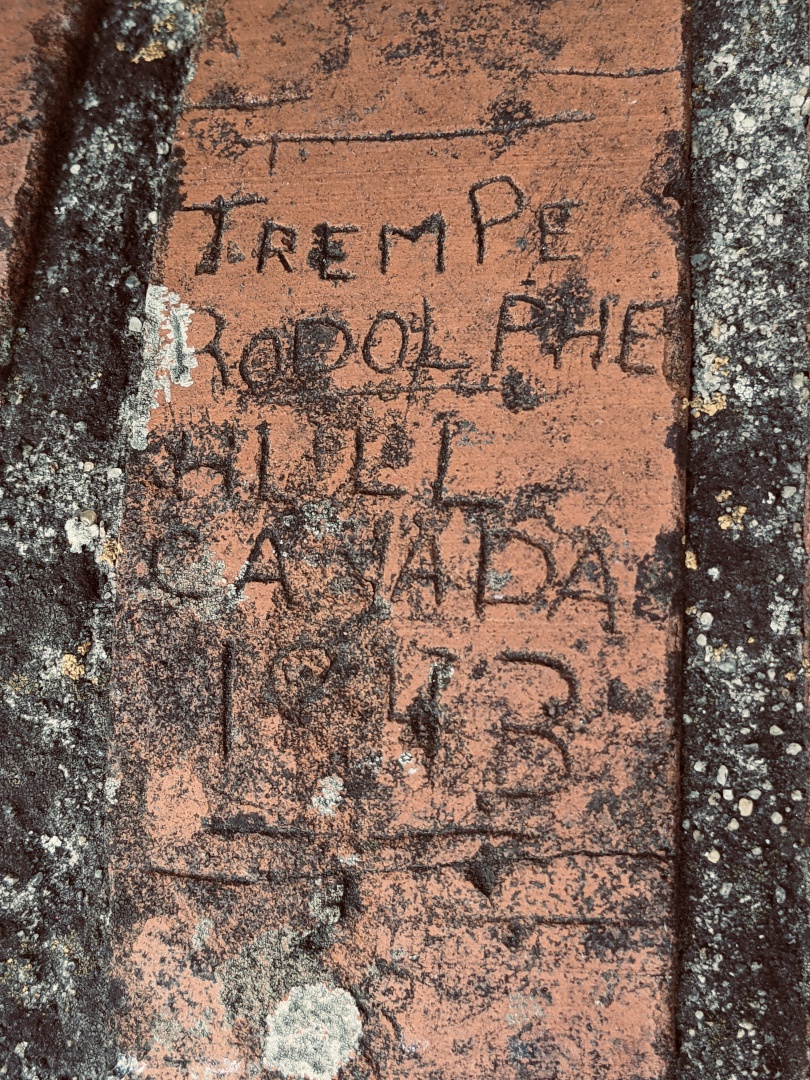
…and I wondered if this might be one of the soldiers of whom I had heard, so I posted on Twitter.
Many months later I got a response from Rodolphe’s grandson, including a photograph and a biography – he was a radioman and sniper:
The Royal 22nd Regiment still exists and apparently still draws Quebecois into the Canadian Army. From Wikipedia regarding the war:
In the Second World War, the regiment was part of the 3rd Canadian Infantry Brigade and the 1st Canadian Infantry Division and was involved in intense combat in Italy, (where Captain Paul Triquet earned the Victoria Cross) and later in the Netherlands and northwest Germany. […] The Royal 22e Régiment was placed on active service on 1 September 1939 as the Royal 22e Régiment, CASF, embarked for Great Britain on 9 December 1939. The regiment landed in Sicily on 10 July 1943 and in Italy on 3 September 1943 as part of 3rd Brigade, 1st Canadian Infantry Division.
https://en.wikipedia.org/wiki/Royal_22nd_Regiment
…which links up with what Laurence described of his grandfather’s medals.
My suspicion is that Rodolphe went for a pint at the Whyte Lion in Hartfordbridge sometime in the first half of 1943, and left a calling card in the brickwork before being shipped out to Italy. If, as documented, he was rolled up into the 1st Canadian Infantry Division then it’s entirely possible that he might have been fighting alongside my father at Monte Cassino, albeit that was a long and huge battle.
It’s nice to close this loop. Today I returned to the bridge to check the graffiti and take these photos, and I took more care. There are several others of varying legibility:
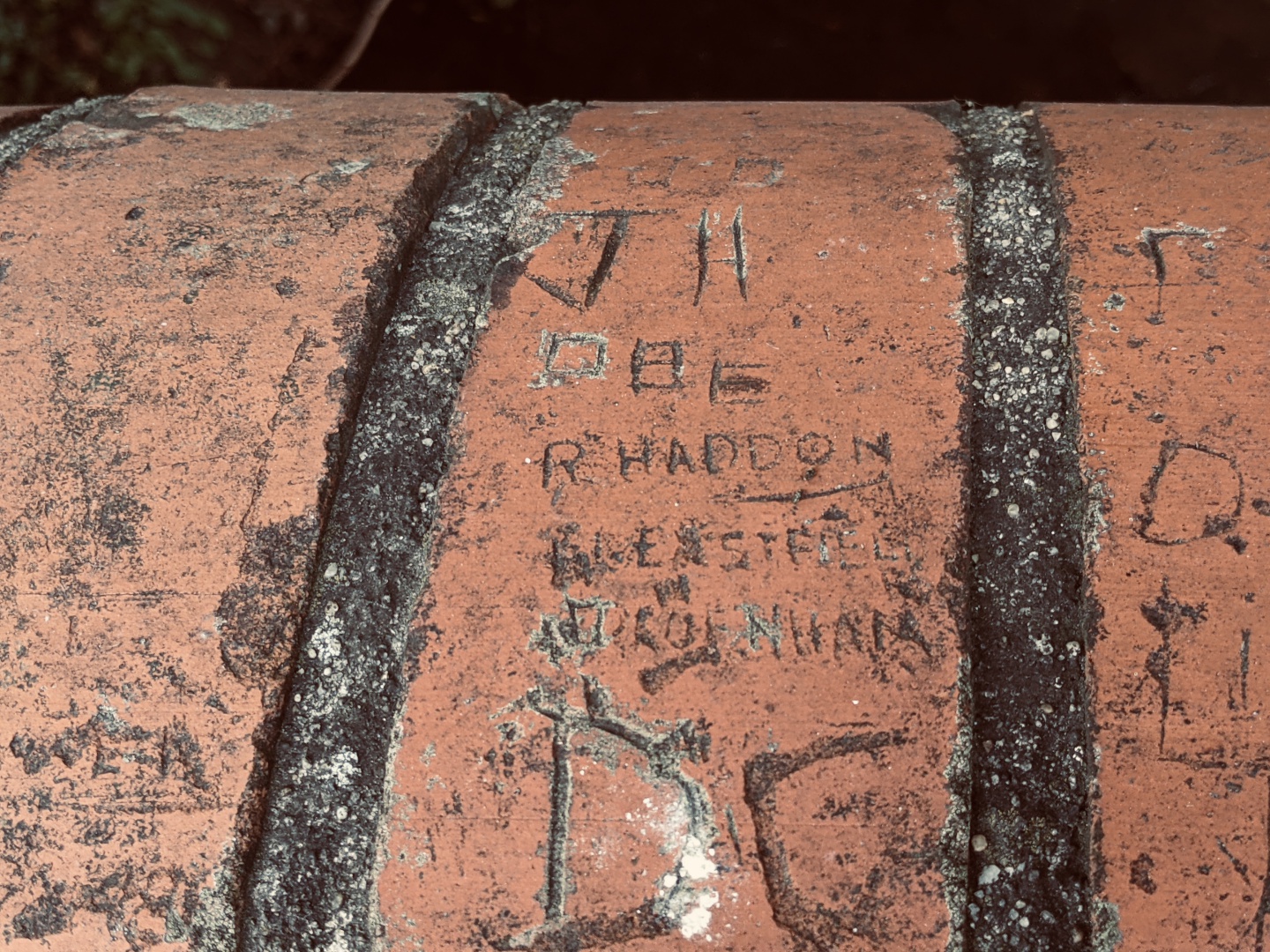
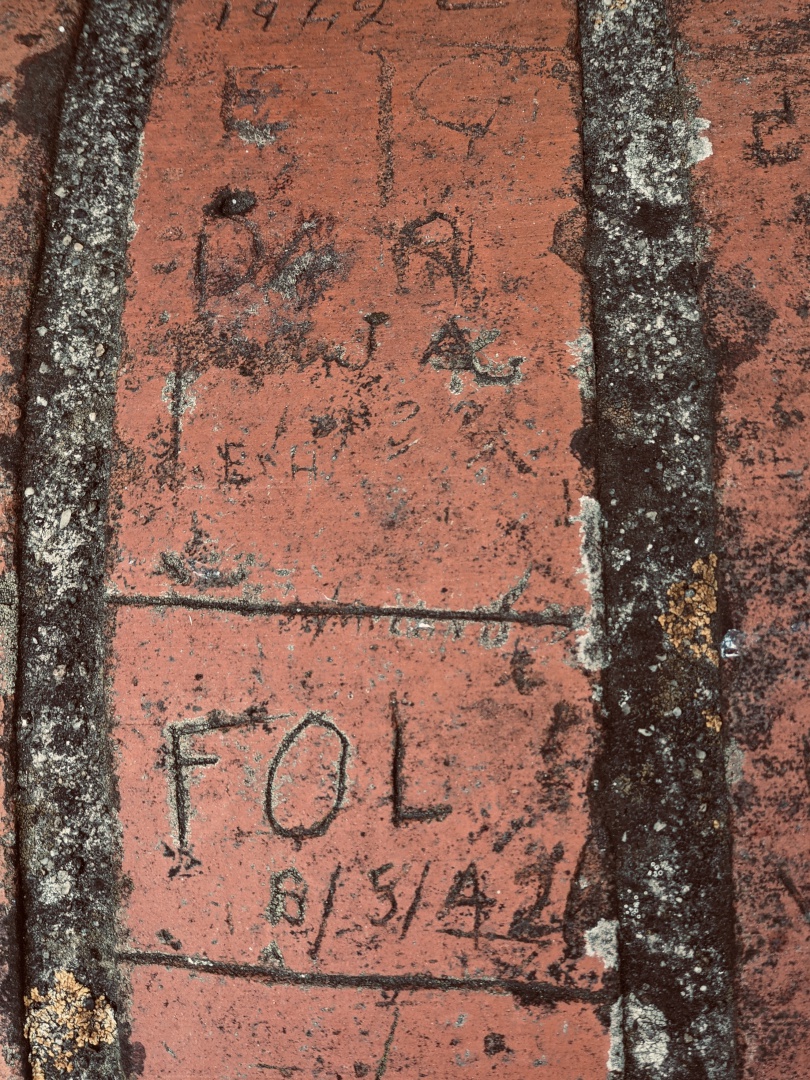
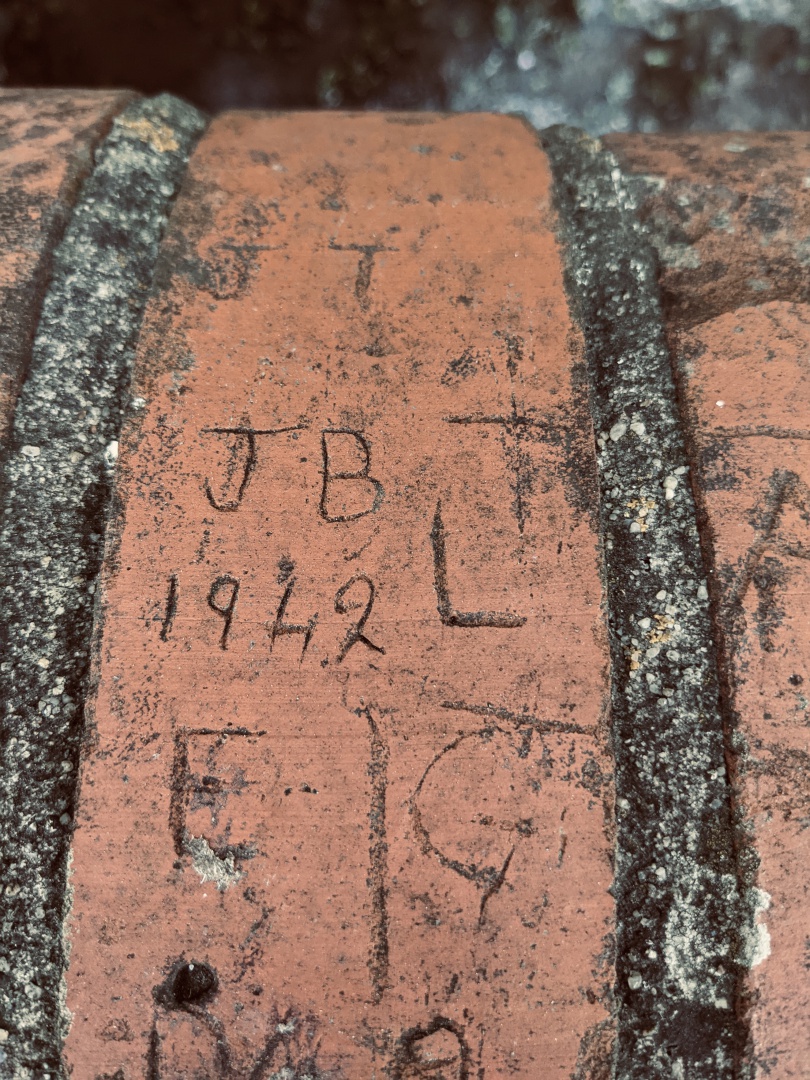
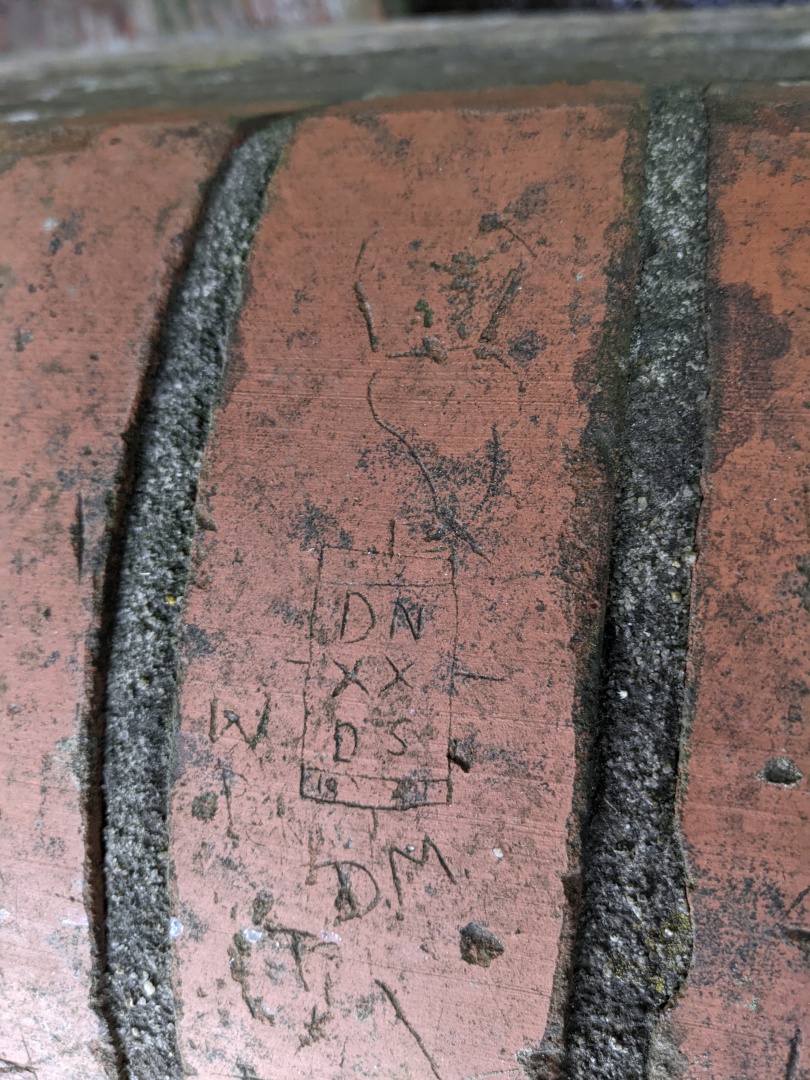
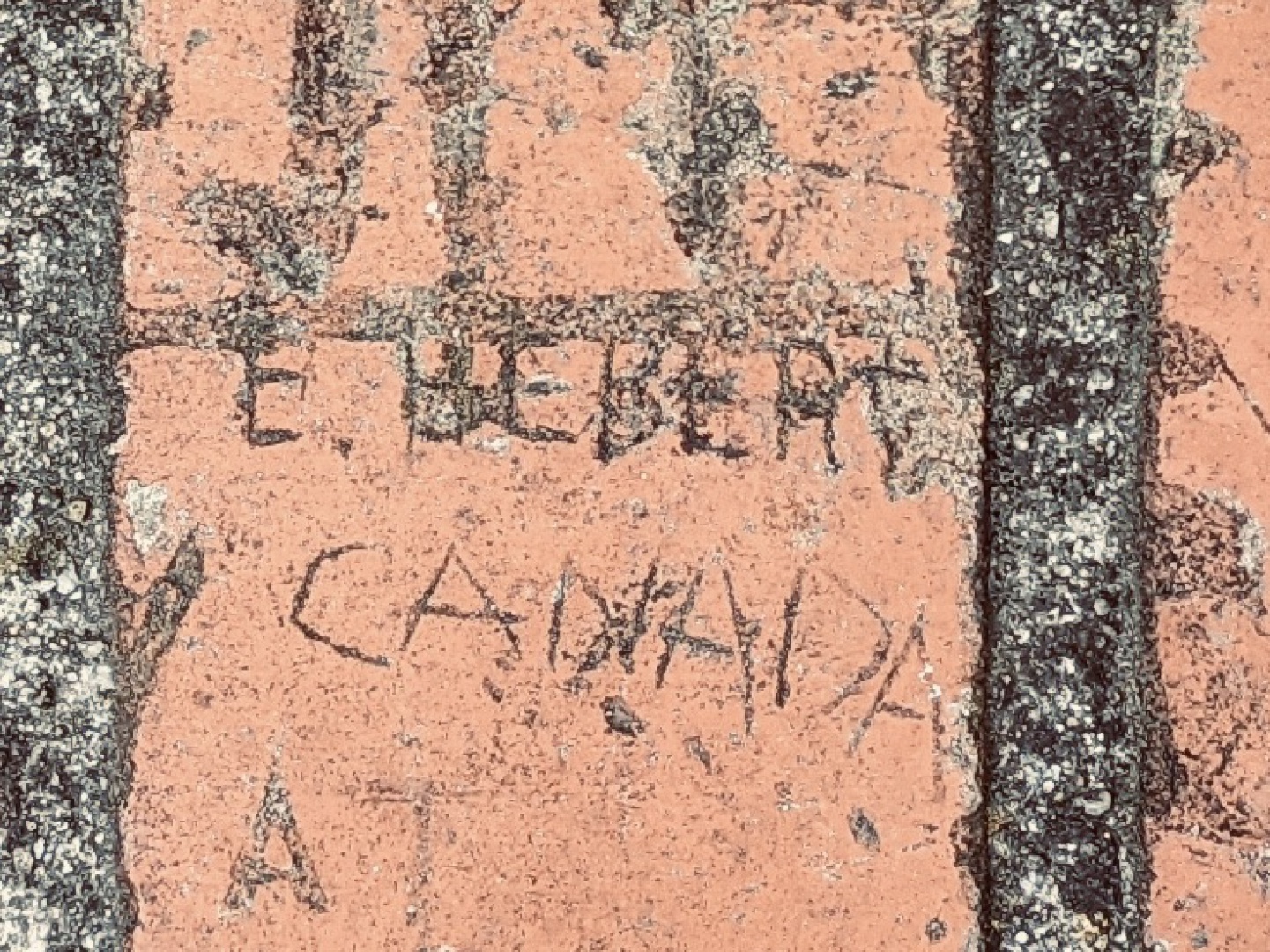
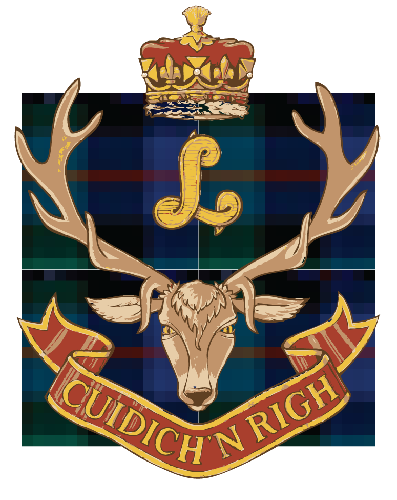
But I think the best one is this piece of artwork, which I had to look up:
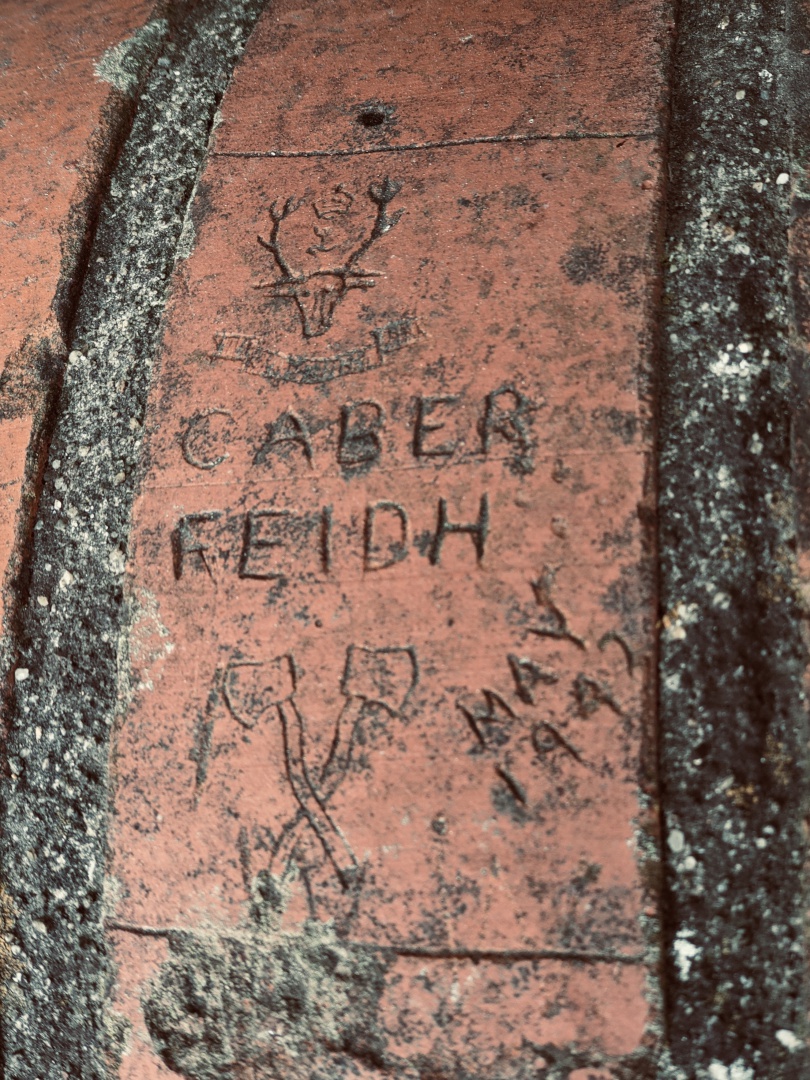
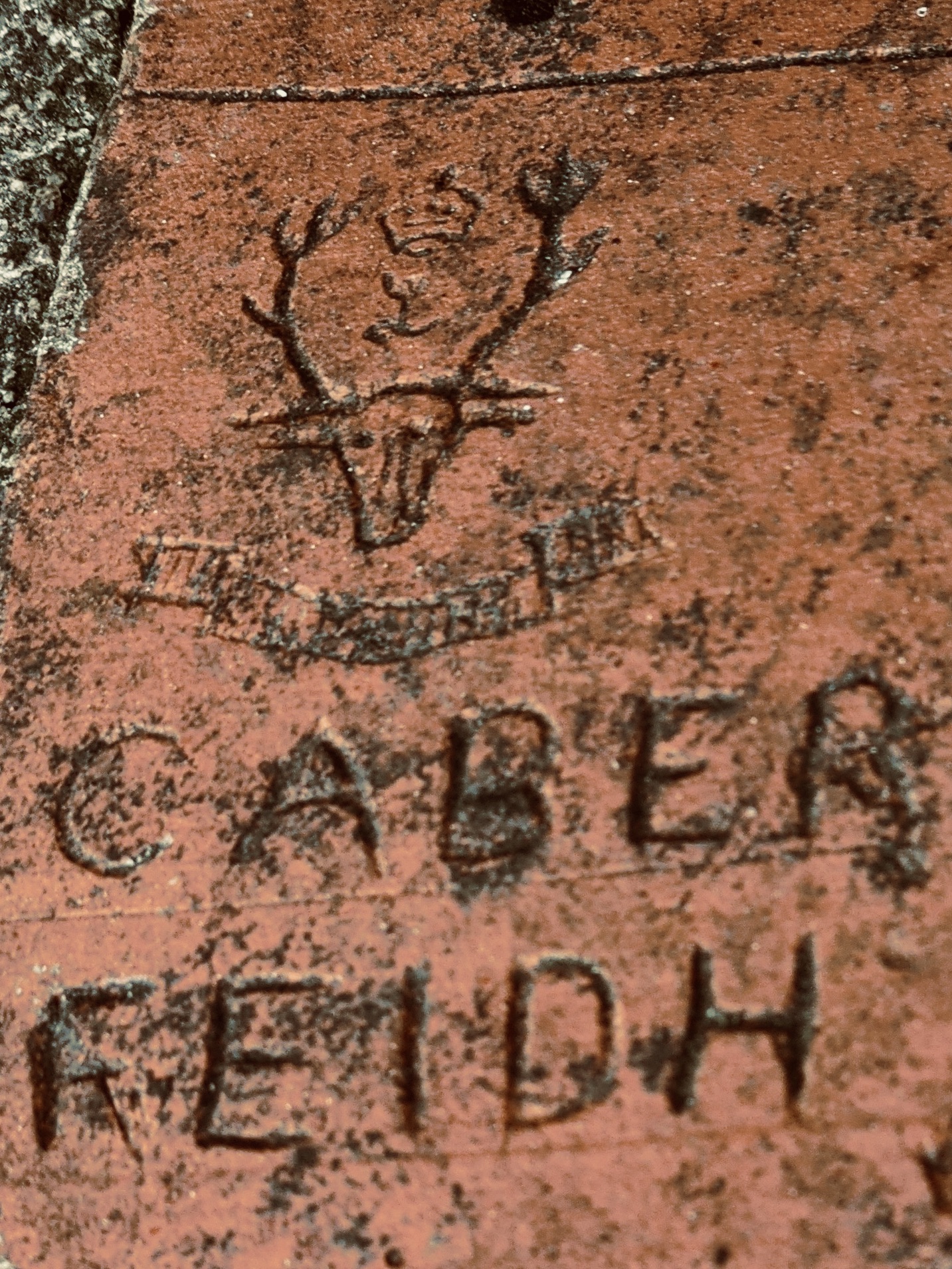
This is the regimental badge and motto of the Seaforth Highlanders of Canada – although I am not sure what the crossed hatchets represent, and the spelling seems slightly off, it’s an excellent representation for “carved in brick next to a pub”, right down to the curly-L beneath the crown.

Again, Wikipedia shares:
It embarked for Britain on 20 December 1939. The battalion landed in Sicily on 10 July 1943 and in Italy on 4 September 1943 as part of the 2nd Brigade, 1st Canadian Infantry Division.
https://en.wikipedia.org/wiki/The_Seaforth_Highlanders_of_Canada#World_War_II
It’s not immediately clear who carved the badge, but with this and the other potential names (“E HEBERT”? Perhaps “R HADDON”?) – it paints a picture of a massing of Canadian soldiers, from several regiments, visiting a pub while waiting to move out into battle in Italy.
It’s funny what you can find on your doorstep when you look.

Leave a Reply